

The rise of digital currencies has opened up new avenues for investors to grow their wealth. Secure cryptocurrencies have emerged as a viable option, offering a potentially lucrative way to multiply savings. With the increasing adoption of blockchain technology and the growing demand for decentralized financial systems, the cryptocurrency market is poised for significant growth.
As a result, investors are turning to secure cryptocurrencies to diversify their portfolios and capitalize on the potential for high returns, but it is crucial to understand the underlying risks and benefits before making any investment decisions.
Unlocking the Potential of Cryptocurrency for Savings Growth
In the realm of financial management, the quest for secure and lucrative savings options is perennial. The advent of cryptocurrencies has introduced a novel dimension to this pursuit, offering the potential to multiply your savings through secure and innovative investment vehicles.
As the financial landscape continues to evolve, understanding the dynamics of cryptocurrency and its application in savings growth is becoming increasingly pertinent.
Understanding Cryptocurrency: The Foundation
At its core, cryptocurrency is a digital or virtual currency that uses cryptography for security and is decentralized, meaning it’s not controlled by any government or financial institution. The security of cryptocurrency transactions is ensured through a technology called blockchain, a public ledger that records all transactions made with a particular cryptocurrency. This foundation is crucial for understanding how cryptocurrencies can be a secure avenue for savings.
 Control your money with financial intelligence
Investment Strategies for Savings Growth
To multiply your savings with cryptocurrencies, one must adopt a well-informed investment strategy. This involves diversifying your investment portfolio by investing in a mix of established cryptocurrencies like Bitcoin and newer, potentially high-growth cryptocurrencies. It’s also crucial to stay informed about market trends and regulatory changes that could impact the value of your investments.
Managing Risk in Cryptocurrency Investments
While cryptocurrencies offer the potential for significant returns, they are also associated with high volatility and risk. Effective risk management is key to successful cryptocurrency investment. This can involve setting a budget for investment that you can afford to lose, using stop-loss orders to limit potential losses, and regularly reviewing and adjusting your investment portfolio.
| Cryptocurrency | Current Use | Potential for Growth |
|---|---|---|
| Bitcoin | Store of value, medium of exchange | High, due to its established market presence |
| Ethereum | Smart contract platform, decentralized applications | High, driven by its utility and developer community |
| Altcoins | Varies, from DeFi to NFTs | Varies, often higher risk and potential for growth |
Maximizing Returns with Low-Risk Crypto Investments
Investing in cryptocurrencies can be a highly lucrative way to multiply your savings, but it’s essential to do so in a secure and informed manner, understanding the blockchain technology behind them and the market trends that drive their value.
Understanding Cryptocurrency Market Volatility
The cryptocurrency market is known for its volatility, with prices fluctuating rapidly due to various factors such as regulatory changes, security concerns, and market speculation, making it crucial to stay informed and adapt your investment strategy accordingly.
The Role of Diversification in Crypto Investments
To minimize investment risk, it’s vital to diversify your portfolio by investing in a range of cryptocurrencies and other assets, thereby spreading your risk and potentially increasing your overall returns.
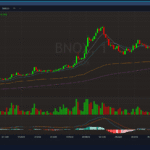 Day trade with low capital
Secure Storage Solutions for Cryptocurrencies
To protect your crypto assets, you need to use secure storage solutions such as hardware wallets or cold storage, which provide an additional layer of security against hacking and theft.
Tax Implications of Cryptocurrency Investments
It’s also important to consider the tax implications of your cryptocurrency investments, as tax laws and regulations surrounding cryptocurrencies are still evolving and can have a significant impact on your overall returns.
Best Practices for Investing in Cryptocurrencies
To maximize your returns and minimize your risk, it’s essential to follow best practices for investing in cryptocurrencies, including conducting thorough research, setting clear investment goals, and staying up-to-date with market developments.
Frequently Asked Questions
What are the benefits of using cryptocurrencies for savings?
Using cryptocurrencies for savings offers several benefits, including high potential returns, diversification of investment portfolios, and a level of anonymity. Cryptocurrencies can also provide a secure way to store value, as transactions are recorded on a public ledger and are immutable. Additionally, cryptocurrencies can facilitate fast and low-cost transactions.
How can I securely invest in cryptocurrencies?
To securely invest in cryptocurrencies, it is essential to choose a reputable exchange or broker, use strong passwords and enable two-factor authentication. You should also consider using a hardware wallet to store your cryptocurrencies offline, and keep your private keys secure. It is also crucial to stay informed about market trends and regulatory changes that may impact your investments.
 Protect your crypto with secure wallets
Are cryptocurrencies a stable investment option?
Cryptocurrencies are known for their volatility, and their value can fluctuate rapidly. While some cryptocurrencies have shown significant growth, others have experienced sharp declines. It is crucial to understand that investing in cryptocurrencies carries risks, and you should be prepared for potential losses. It is recommended to diversify your portfolio and not invest more than you can afford to lose.
Can I lose my savings if I invest in cryptocurrencies?
Yes, investing in cryptocurrencies carries risks, and you can lose some or all of your savings. Market volatility, security breaches, and regulatory changes can all impact the value of your investments. To minimize risks, it is essential to do your research, diversify your portfolio, and use secure storage and transaction practices. You should also be prepared for potential losses and not invest more than you can afford to lose.